April 30, 2026
FoodHealth

Diet and Nutrition: Foundations of a Healthy Life

# Diet and Nutrition: Foundations of a Healthy Life Diet and nutrition play a central role in maintaining overall health, preventing disease, and enhancing quality of life. In a world increasingly dominated by processed foods and sedentary lifestyles, understanding the principles of proper nutrition is more important than ever. A balanced diet not only fuels the body but also supports mental well-being, strengthens immunity, and promotes longevity. ## Understanding Diet and Nutrition The terms “diet” and “nutrition” are often used interchangeably, but they have distinct meanings. Diet refers to the food and beverages a person consumes daily, while nutrition involves the process by which the body uses these nutrients for growth, energy, and maintenance. Good nutrition means consuming the right amounts of essential nutrients to allow the body to function optimally. There are six main categories of nutrients: carbohydrates, proteins, fats, vitamins, minerals, and water. Each plays a unique role in the body, and a deficiency or excess of any can lead to health problems. ## Macronutrients: The Body’s Energy Sources Macronutrients are nutrients required in large amounts because they provide energy (calories) for the body. ### Carbohydrates Carbohydrates are the body’s primary source of energy. They are found in foods like grains, fruits, vegetables, and legumes. Complex carbohydrates such as whole grains and vegetables are preferable because they are digested slowly, providing sustained energy and stabilizing blood sugar levels. In contrast, simple carbohydrates like refined sugar can cause rapid spikes and crashes in energy. ### Proteins Proteins are essential for building and repairing tissues, producing enzymes and hormones, and supporting immune function. Good sources include meat, fish, eggs, dairy products, beans, nuts, and seeds. Adequate protein intake is particularly important for growing children, athletes, and individuals recovering from illness. ### Fats Fats often get a bad reputation, but they are vital for health. They provide energy, support cell growth, protect organs, and help absorb certain vitamins. Healthy fats, such as those found in olive oil, avocados, nuts, and fatty fish, are beneficial, while trans fats and excessive saturated fats should be limited. ## Micronutrients: Small but Mighty Micronutrients, including vitamins and minerals, are needed in smaller quantities but are equally essential. ### Vitamins Vitamins help regulate various bodily processes. For example, vitamin C supports the immune system, vitamin D promotes bone health, and B vitamins assist in energy production. A varied diet rich in fruits and vegetables typically provides sufficient vitamins. ### Minerals Minerals such as calcium, iron, potassium, and zinc are crucial for functions like bone formation, oxygen transport, and nerve signaling. Deficiencies in minerals can lead to conditions like anemia (iron deficiency) or osteoporosis (calcium deficiency). ## The Importance of Hydration Water is often overlooked but is one of the most critical components of nutrition. It regulates body temperature, aids digestion, transports nutrients, and removes waste. Dehydration can lead to fatigue, headaches, and impaired cognitive function. Most adults should aim for about 2–3 liters of water daily, though needs vary depending on activity level and climate. ## Balanced Diet: The Key to Good Health A balanced diet includes a variety of foods in the right proportions. The general recommendation is to: * Fill half your plate with fruits and vegetables * Allocate one-quarter to whole grains * Reserve one-quarter for lean protein sources * Include healthy fats in moderation This approach ensures that the body receives all essential nutrients without excessive calories. ## The Role of Nutrition in Disease Prevention Proper nutrition significantly reduces the risk of chronic diseases such as heart disease, diabetes, obesity, and certain cancers. Diets high in processed foods, sugar, and unhealthy fats are linked to these conditions, while diets rich in whole foods, fiber, and antioxidants provide protective benefits. For example, fiber-rich foods help lower cholesterol levels and improve digestion, while antioxidants found in fruits and vegetables combat oxidative stress and inflammation. ## Nutrition Across Different Life Stages Nutritional needs vary throughout life. ### Childhood and Adolescence During growth phases, the body requires more nutrients to support development. Adequate protein, calcium, iron, and vitamins are crucial. Poor nutrition at this stage can affect physical and cognitive development. ### Adulthood In adulthood, maintaining a balanced diet helps sustain energy levels and prevent weight gain and chronic diseases. Lifestyle factors such as work stress and physical activity levels influence dietary needs. ### Older Adults As people age, metabolism slows, and nutrient absorption may decrease. Older adults need nutrient-dense foods, sufficient protein, and adequate hydration to maintain muscle mass and bone health. ## The Impact of Lifestyle on Nutrition Diet alone does not determine health; it works in conjunction with lifestyle habits. ### Physical Activity Regular exercise complements a healthy diet by improving cardiovascular health, strengthening muscles, and aiding weight management. Active individuals may require more calories and protein. ### Sleep Sleep affects hormones that regulate hunger and appetite. Poor sleep can lead to overeating and unhealthy food choices. ### Stress Management Chronic stress can influence eating patterns, often leading to emotional eating or cravings for high-calorie foods. Mindful eating and stress management techniques can help maintain healthy habits. ## Common Nutritional Mistakes Many people unintentionally adopt unhealthy eating habits. Some common mistakes include: * Skipping meals, especially breakfast * Overconsumption of processed and fast foods * Excessive intake of sugary beverages * Ignoring portion sizes * Following fad diets without scientific backing These habits can lead to nutrient deficiencies, weight gain, and long-term health issues. ## The Rise of Specialized Diets Various dietary patterns have gained popularity, including vegetarian, vegan, ketogenic, and intermittent fasting diets. While these can offer benefits, they must be followed carefully to ensure nutritional adequacy. For instance, vegetarian diets can be rich in fiber and antioxidants but may require attention to protein, iron, and vitamin B12 intake. Similarly, ketogenic diets may promote weight loss but can be difficult to sustain and may lack certain nutrients. ## Practical Tips for Healthy Eating Adopting a healthy diet does not have to be complicated. Some practical strategies include: * Plan meals in advance to avoid unhealthy choices * Choose whole, unprocessed foods whenever possible * Read nutrition labels to understand food content * Practice portion control * Limit sugar and salt intake * Cook at home more often * Include a variety of foods to ensure nutrient diversity ## The Psychological Aspect of Eating Nutrition is not just about physical health; it also has a psychological dimension. Emotional eating, food cravings, and cultural influences all shape dietary habits. Developing a healthy relationship with food involves mindful eating—being aware of hunger cues, eating slowly, and enjoying meals without distraction. ## Conclusion Diet and nutrition are fundamental pillars of health and well-being. A balanced diet that includes a variety of nutrient-rich foods supports physical and mental health, reduces the risk of disease, and enhances overall quality of life. By understanding the basics of nutrition and making informed food choices, individuals can take control of their health and build sustainable habits for the future. Ultimately, good nutrition is not about strict limitations or temporary diets; it is about creating a lifestyle that nourishes the body, satisfies the mind, and promotes long-term wellness.

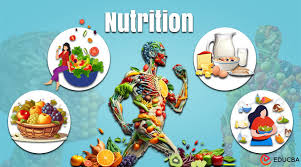
Diet and nutrition play a central role in maintaining overall health, preventing disease, and enhancing quality of life. In a world increasingly dominated by processed foods and sedentary lifestyles, understanding the principles of proper nutrition is more important than ever. A balanced diet not only fuels the body but also supports mental well-being, strengthens immunity, and promotes longevity.

Understanding Diet and Nutrition

The terms “Diet and Nutrition are often used interchangeably, but they have distinct meanings. Diet refers to the food and beverages a person consumes daily, while nutrition involves the process by which the body uses these nutrients for growth, energy, and maintenance. Good nutrition means consuming the right amounts of essential nutrients to allow the body to function optimally.
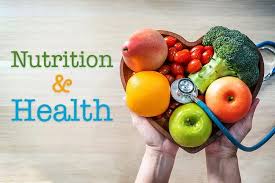
There are six main categories of nutrients: carbohydrates, proteins, fats, vitamins, minerals, and water. Each plays a unique role in the body, and a deficiency or excess of any can lead to health problems.

Macronutrients: The Body’s Energy Sources

Macronutrients are nutrients required in large amounts because they provide energy (calories) for the body.

Carbohydrates

Carbohydrates are the body’s primary source of energy. They are found in foods like grains, fruits, vegetables, and legumes. Complex carbohydrates such as whole grains and vegetables are preferable because they are digested slowly, providing sustained energy and stabilizing blood sugar levels. In contrast, simple carbohydrates like refined sugar can cause rapid spikes and crashes in energy.

Proteins

Proteins are essential for building and repairing tissues, producing enzymes and hormones, and supporting immune function. Good sources include meat, fish, eggs, dairy products, beans, nuts, and seeds. Adequate protein intake is particularly important for growing children, athletes, and individuals recovering from illness.

Fats

Fats often get a bad reputation, but they are vital for health. They provide energy, support cell growth, protect organs, and help absorb certain vitamins. Healthy fats, such as those found in olive oil, avocados, nuts, and fatty fish, are beneficial, while trans fats and excessive saturated fats should be limited.

Micronutrients: Small but Mighty

Micronutrients, including vitamins and minerals, are needed in smaller quantities but are equally essential.

Vitamins

Vitamins help regulate various bodily processes. For example, vitamin C supports the immune system, vitamin D promotes bone health, and B vitamins assist in energy production. A varied diet rich in fruits and vegetables typically provides sufficient vitamins.

Minerals

Minerals such as calcium, iron, potassium, and zinc are crucial for functions like bone formation, oxygen transport, and nerve signaling. Deficiencies in minerals can lead to conditions like anemia (iron deficiency) or osteoporosis (calcium deficiency).

The Importance of Hydration

Water is often overlooked but is one of the most critical components of nutrition. It regulates body temperature, aids digestion, transports nutrients, and removes waste. Dehydration can lead to fatigue, headaches, and impaired cognitive function. Most adults should aim for about 2–3 liters of water daily, though needs vary depending on activity level and climate.

Balanced Diet: The Key to Good Health

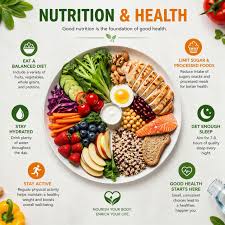
A balanced diet includes a variety of foods in the right proportions. The general recommendation is to:

  • Fill half your plate with fruits and vegetables
  • Allocate one-quarter to whole grains
  • Reserve one-quarter for lean protein sources
  • Include healthy fats in moderation

This approach ensures that the body receives all essential nutrients without excessive calories.

The Role of Nutrition in Disease Prevention

Proper nutrition significantly reduces the risk of chronic diseases such as heart disease, diabetes, obesity, and certain cancers. Diets high in processed foods, sugar, and unhealthy fats are linked to these conditions, while diets rich in whole foods, fiber, and antioxidants provide protective benefits.

For example, fiber-rich foods help lower cholesterol levels and improve digestion, while antioxidants found in fruits and vegetables combat oxidative stress and inflammation.

Nutrition Across Different Life Stages

Nutritional needs vary throughout life.

Childhood and Adolescence

During growth phases, the body requires more nutrients to support development. Adequate protein, calcium, iron, and vitamins are crucial. Poor nutrition at this stage can affect physical and cognitive development.

Adulthood

In adulthood, maintaining a balanced diet helps sustain energy levels and prevent weight gain and chronic diseases. Lifestyle factors such as work stress and physical activity levels influence dietary needs.

Older Adults

As people age, metabolism slows, and nutrient absorption may decrease. Older adults need nutrient-dense foods, sufficient protein, and adequate hydration to maintain muscle mass and bone health.
The Impact of Lifestyle on Nutrition

Diet alone does not determine health; it works in conjunction with lifestyle habits.

Physical Activity

Regular exercise complements a healthy diet by improving cardiovascular health, strengthening muscles, and aiding weight management. Active individuals may require more calories and protein.

Sleep

Sleep affects hormones that regulate hunger and appetite. Poor sleep can lead to overeating and unhealthy food choices.

Stress Management

Chronic stress can influence eating patterns, often leading to emotional eating or cravings for high-calorie foods. Mindful eating and stress management techniques can help maintain healthy habits.

Common Nutritional Mistakes

Many people unintentionally adopt unhealthy eating habits. Some common mistakes include:

  • Skipping meals, especially breakfast
  • Overconsumption of processed and fast foods
  • Excessive intake of sugary beverages
  • Ignoring portion sizes
  • Following fad diets without scientific backing

These habits can lead to nutrient deficiencies, weight gain, and long-term health issues.

The Rise of Specialized Diets

Various dietary patterns have gained popularity, including vegetarian, vegan, ketogenic, and intermittent fasting diets. While these can offer benefits, they must be followed carefully to ensure nutritional adequacy.

For instance, vegetarian diets can be rich in fiber and antioxidants but may require attention to protein, iron, and vitamin B12 intake. Similarly, ketogenic diets may promote weight loss but can be difficult to sustain and may lack certain nutrients.

Practical Tips for Healthy Eating

Adopting a healthy diet does not have to be complicated. Some practical strategies include:

  • Plan meals in advance to avoid unhealthy choices
  • Choose whole, unprocessed foods whenever possible
  • Read nutrition labels to understand food content
  • Practice portion control
  • Limit sugar and salt intake
  • Cook at home more often
  • Include a variety of foods to ensure nutrient diversity

The Psychological Aspect of Eating

Nutrition is not just about physical health; it also has a psychological dimension. Emotional eating, food cravings, and cultural influences all shape dietary habits. Developing a healthy relationship with food involves mindful eating—being aware of hunger cues, eating slowly, and enjoying meals without distraction.

Conclusion

Diet and nutrition are fundamental pillars of health and well-being. A balanced diet that includes a variety of nutrient-rich foods supports physical and mental health, reduces the risk of disease, and enhances overall quality of life. By understanding the basics of nutrition and making informed food choices, individuals can take control of their health and build sustainable habits for the future.

Related posts

Understanding and Coping with the Heat Wave in Pakistan

Tahira

About coffee, you can use this information

Humaira

“The Ultimate Guide to Baby Care Kits: 10 Essential Things You Need to Know”

saba afzal

Leave a Comment