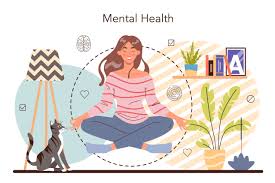
Mental health is just as important as physical health, yet it is often overlooked in our daily lives. In today’s fast-paced world, stress, anxiety, and emotional fatigue have become common challenges. The good news is that mental health can be improved with consistent effort, awareness, and the right habits. This article explores practical, research-backed ways to improve mental health and build a more balanced and fulfilling life.
Understanding Mental Health
Mental health refers to our emotional, psychological, and social well-being. It affects how we think, feel, and behave. It also determines how we handle stress, relate to others, and make decisions. Good mental health doesn’t mean you’re always happy—it means you can cope with life’s ups and downs effectively.

Poor mental health can lead to issues like depression, anxiety, low self-esteem, and burnout. Recognizing early signs—such as constant fatigue, mood swings, or loss of interest—is the first step toward improvement.
1. Prioritize Self-Care
Self-care is essential for improving mental health. It involves taking time to care for your physical, emotional, and mental needs.
Simple self-care practices include:
- Getting enough sleep (7–9 hours daily)
- Eating a balanced diet
- Taking breaks from work or study
- Engaging in hobbies you enjoy
Self-care is not selfish—it’s necessary. When you take care of yourself, you are better equipped to handle stress and support others.
Table of Contents
2. Stay Physically Active
Exercise plays a powerful role in improving mental health. Physical activity releases endorphins, also known as “feel-good” hormones, which reduce stress and boost mood.
You don’t need intense workouts to see benefits. Even simple activities like:
- Walking for 30 minutes
- Cycling
- Yoga or stretching
can significantly improve mental well-being. Regular movement helps reduce symptoms of anxiety and depression.
3. Maintain Healthy Relationships
Humans are social beings, and strong relationships are key to mental health. Spending time with supportive friends and family can reduce feelings of loneliness and increase happiness.
Tips for building healthy relationships:
- Communicate openly and honestly
- Spend quality time with loved ones
- Avoid toxic or negative influences
Even small interactions—like a meaningful conversation—can make a big difference.
4. Practice Mindfulness and Meditation
Mindfulness means being present in the moment without judgment. It helps reduce overthinking and anxiety about the future.
Meditation techniques include:
- Deep breathing exercises
- Guided meditation
- Focusing on your senses
Practicing mindfulness for just 10–15 minutes daily can improve concentration, reduce stress, and enhance emotional control.
5. Manage Stress Effectively
Stress is a natural part of life, but unmanaged stress can harm mental health. Learning how to cope with stress is essential.
Effective stress management techniques:
- Break tasks into smaller steps
- Set realistic goals
- Take regular breaks
- Practice relaxation techniques
Identifying your stress triggers and addressing them early can prevent burnout.
6. Limit Social Media and Screen Time
Excessive use of social media can negatively affect mental health. Constant comparison, negative news, and online pressure can lead to anxiety and low self-esteem.
To improve mental health:
- Set daily screen time limits
- Take digital detox breaks
- Follow positive and inspiring content
Reducing screen time allows you to focus more on real-life experiences and relationships.
7. Develop Positive Thinking Habits
Your thoughts have a strong impact on your mental health. Negative thinking patterns can increase stress and anxiety, while positive thinking promotes resilience.
Ways to develop positivity:
- Practice gratitude daily
- Replace negative thoughts with realistic ones
- Focus on solutions instead of problems
Keeping a gratitude journal is a simple yet effective way to train your mind to focus on the good.
8. Get Enough Sleep
Sleep and mental health are closely connected. Lack of sleep can lead to irritability, poor concentration, and emotional instability.
Tips for better sleep:
- Maintain a consistent sleep schedule
- Avoid screens before bedtime
- Create a relaxing sleep environment
Quality sleep helps your brain recharge and improves emotional balance.
9. Seek Professional Help When Needed
Sometimes, self-help strategies are not enough. If you’re struggling with persistent mental health issues, seeking professional help is important.
Mental health professionals include:
- Psychologists
- Therapists
- Counselors
There is no shame in asking for help. Therapy can provide tools and strategies to manage emotions and improve well-being.
10. Engage in Meaningful Activities
Having a sense of purpose is vital for mental health. Engaging in meaningful activities can boost self-esteem and happiness.
Examples include:
- Volunteering
- Learning new skills
- Setting personal goals
When you feel productive and purposeful, your mental health naturally improves.
11. Practice Gratitude Daily
Gratitude shifts your focus from what’s lacking to what you have. It improves mood and reduces stress.
Simple gratitude practices:
- Write 3 things you’re thankful for daily
- Express appreciation to others
- Reflect on positive experiences
Over time, gratitude rewires your brain to think more positively.
12. Avoid Unhealthy Coping Mechanisms
Many people turn to unhealthy habits—like smoking, excessive drinking, or overeating—to cope with stress. These provide temporary relief but harm mental health in the long run.
Instead, choose healthier alternatives:
- Exercise
- Talking to a friend
- Practicing relaxation techniques
Healthy coping strategies lead to long-term improvement.
13. Set Boundaries
Learning to say “no” is crucial for mental well-being. Overcommitting can lead to stress and exhaustion.
Healthy boundaries include:
- Protecting your time and energy
- Avoiding unnecessary obligations
- Prioritizing your needs
Setting boundaries helps maintain balance in life.
14. Spend Time in Nature
Nature has a calming effect on the mind. Spending time outdoors can reduce stress, improve mood, and increase focus.
Simple ways to connect with nature:
- Walking in a park
- Gardening
- Sitting in sunlight
Even a few minutes outside can refresh your mind.
15. Keep Learning and Growing
Personal growth contributes to better mental health. Learning new skills builds confidence and keeps your mind active.
Ideas for growth:
- Read books
- Take online courses
- Explore creative hobbies
Continuous learning gives you a sense of achievement and purpose.
Conclusion
Improving mental health is a continuous journey, not a one-time task. By adopting healthy habits—such as regular exercise, mindfulness, strong relationships, and proper self-care—you can significantly enhance your mental well-being.