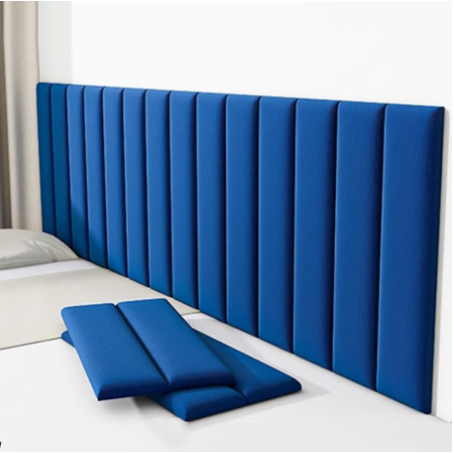
Active environments can expose walls to repeated contact from people, equipment and moving objects. Protective materials can reduce damage and soften contact, but the best choice depends on how the space is used. Looking beyond appearance helps ensure the protection suits activity.
1. Start with the type of contact
A wall beside a low-traffic exercise area has different demands from one next to fast movement, ball activity or training equipment. Consider what is likely to hit the surface, how often contact may happen and where impact is most likely. Wall padding should be chosen for the intended use rather than simply covering every available surface.
2. Check the area that needs protection
Height and width matter. Protection that stops below the likely contact zone can leave a vulnerable strip, while excessive coverage may interfere with fittings, ventilation or access. Mapping the activity against the wall helps identify where protection is useful and where it adds little.
3. Look closely at edges and joins
A protective surface is not only its central panel. Exposed corners, large gaps or poorly aligned joins can affect how the installation performs and how easy it is to use the space around it. Wall padding should sit securely and present a consistent surface in the areas where contact is expected.
4. Consider what is behind the protection
Walls may contain switches, sockets, access panels, doors or other services. These features need to remain usable where required. The substrate also affects how protective products can be fixed. Installation should therefore be planned around the actual wall construction and existing features rather than treated as a decorative layer added at the end.
5. Think about cleaning and routine care
Active spaces can collect dust, marks and moisture from regular use. Surface materials should suit the cleaning practices of the facility, following the manufacturer’s guidance. Seams and edges also matter because complicated details can be harder to keep clean. Wall padding that is simple to inspect and maintain is easier to manage over time.
6. Review fire and building requirements
Protective wall products may be subject to building, fire or other requirements depending on the location and type of facility. The relevant rules vary, so project teams should confirm the standards that apply to their site rather than assuming one specification fits every building. Product information should be checked against those requirements before installation.
7. Plan for wear and replacement
High-contact zones can show wear sooner than quieter areas. If the installation is modular, individual sections may be easier to repair or replace when needed. Whatever system is used, facility managers should be able to inspect it and identify damage that could affect safe use.
8. Check the finished space as a whole
Wall protection should work with circulation, equipment layout and the activities taking place nearby. It should not narrow an important route, obstruct a door or create an unexpected projection. The final check should consider how people actually move through the room, not just whether each panel looks correctly installed.
9. Think about how the room may change
Active spaces are rarely used in exactly the same way forever. Equipment can move, programmes can change and different groups may use the room at different times. A protection plan should consider whether the chosen installation will still make sense if the layout changes. This does not mean every surface must be adaptable, but it is useful to avoid creating unnecessary obstacles for future use.
The right wall protection is a practical part of the environment rather than an isolated product choice. By considering impact, coverage, fixing, maintenance and site requirements together, teams can make a more informed decision about where protection is needed and what form it should take.
