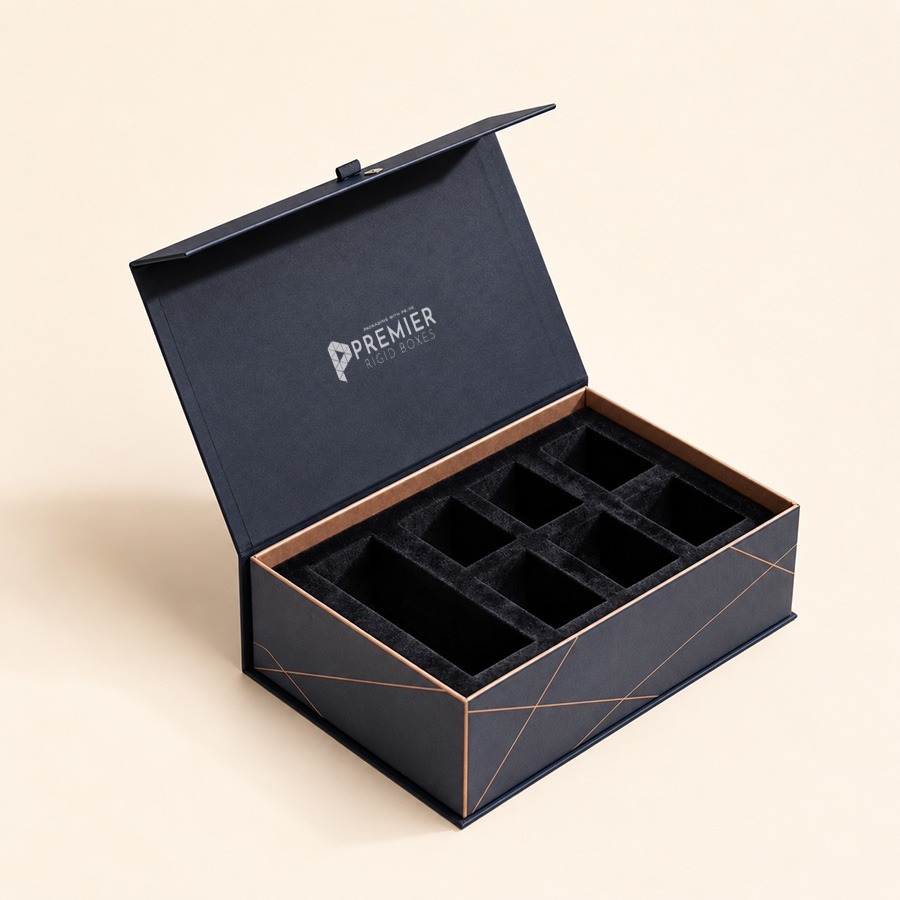
A jeweler I once spoke with described her packaging philosophy in a way that stuck with me. She said the box has exactly one job beyond looking good making sure the piece inside arrives exactly the way it left her workshop, every single time, without exception. Everything else, the color, the lining, the closure, comes after that. It’s a simple way to think about it, but a lot of brands get the order backwards, chasing the beautiful part before they’ve actually solved the protective part.
Rigid storage packaging sits at an interesting intersection because of that. It’s not just a box that looks premium. It’s a box that has to genuinely function as armor for something breakable, valuable, or both, while still managing to feel like part of a luxury experience rather than a shipping precaution bolted onto the product.
Why Delicate and Valuable Items Need a Different Kind of Box Entirely
Standard packaging is built around a fairly simple assumption the product inside can absorb a reasonable amount of jostling without real consequence. That assumption falls apart completely with things like fine jewelry, watches, glassware, or delicate electronics, where even minor shifting during transit can cause damage that’s expensive or impossible to fix.
Rigid board changes that equation because of how it behaves structurally. Unlike folding cartons, which flex and give under pressure, rigid board holds its shape under stress, which matters enormously when the actual job is preventing movement rather than just containing it. That structural stiffness is really the foundation everything else in this category depends on.
What Actual Protection Looks Like, Beyond Just Being Sturdy?
Interior fit matters more here than almost anywhere else in packaging design. A precisely shaped foam insert or fabric-lined cavity that holds an item snugly, with no room to shift during handling, does more to prevent damage than thick board alone ever could. Board resists outside pressure. A tight interior fit resists internal movement, and delicate items usually get damaged by the second problem far more often than the first.
Cushioning needs to be chosen for the specific item, not applied generically across a whole product line. A soft velvet lining works beautifully for a ring but does very little to protect the corner of a glass object during a drop. Matching the cushioning material and thickness to what the product actually needs to survive, rather than defaulting to whatever looks nicest, is where a lot of otherwise good-looking packaging quietly fails.
Closure security is worth real attention too, particularly for anything valuable enough to matter if the lid pops open mid-transit. A snug, precisely tooled lid fit, sometimes reinforced with a ribbon tie or magnetic closure, keeps the box sealed through handling that a loosely fitted lid simply wouldn’t survive.
Making Protection Look Effortless
A few design choices that let protection and elegance coexist without one undermining the other:
- Hidden foam inserts, wrapped in fabric or suede rather than left exposed, do the same protective job while still looking intentional rather than industrial.
- A two-layer opening, an outer sleeve or lid revealing an inner tray, adds a moment of ceremony while giving the item an extra layer of physical protection during the reveal.
- Interior color contrast against the item itself, dark lining behind a bright gemstone or pale lining behind a dark object, makes the product visually pop the instant the box opens.
- Weight distribution matters even in something this small — a base slightly heavier than the lid keeps the box from tipping awkwardly when it’s opened one-handed.
Comparing Storage Box Approaches
| Approach | Protection Level | Perceived Elegance | Best Fit | Cost Level |
| Basic rigid box, no insert | Low | Moderate | Low-value items, short-term storage | Low |
| Rigid box with foam insert | High | Moderate | Watches, electronics, structured items | Medium |
| Rigid box with fabric-lined tray | High | High | Fine jewelry, luxury accessories | Medium-High |
| Custom rigid storage box, item-specific fit | Very High | Very High | High-value, one-of-a-kind, or fragile pieces | High |
| Multi-layer rigid set with nested trays | Very High | Very High | Collections, heirloom or gift pieces | Very High |
What the table makes fairly clear is that protection and elegance aren’t actually in tension with each other the way people sometimes assume. The options offering the strongest protection also tend to read as the most elegant, mainly because a precise, item-specific fit looks intentional in a way generic padding never does.
Where the Custom Fit Actually Pays for Itself
A custom rigid storage box built around a specific item’s exact dimensions solves the protection and presentation problem simultaneously, which is really the whole appeal of going custom in the first place. Generic boxes force a choice either too much empty space that lets an item shift around, or a fit tight enough to protect it but visually plain and utilitarian. A properly custom fit removes that trade-off entirely, holding the item securely while still looking like it was designed specifically for what it holds, because it was.
Common Mistakes in This Category
Choosing a beautiful interior lining without testing whether it actually restrains movement during real handling, not just how it looks sitting still. Assuming rigid board alone is enough protection without a proper interior fit doing the actual restraining work. And underestimating how differently an item behaves in transit compared to sitting on a shelf, which means testing needs to include real shipping conditions, not just a careful hand-delivery scenario in a controlled setting.
Final Thoughts
The best rigid storage packaging in this category doesn’t choose between protection and elegance, it treats them as the same problem solved from two angles at once. A box built with a precise interior fit, appropriate cushioning, and a secure closure ends up looking more considered, not less, than one that skipped those details in favor of pure aesthetics. For anything genuinely delicate or valuable, that combination isn’t optional. It’s really the entire point of choosing rigid packaging over anything else in the first place.
Frequently Asked Questions
Why is rigid board better than folding cartons for delicate items?
Rigid board holds its shape under pressure instead of flexing, which matters because the real job is preventing internal movement, not just containing the item loosely.
What’s more important for protection, the box material or the interior insert?
Both matter, but the interior insert usually does more of the actual protective work. A precise, snug fit prevents the shifting that causes most damage during handling and transit.
Does a custom rigid storage box cost significantly more than a generic one?
It typically costs more upfront, but for high-value or fragile items, the reduced damage and stronger presentation usually justify the difference, especially for anything one-of-a-kind or irreplaceable.
Can protective packaging still look elegant, or does protection always look bulky?
It can absolutely look elegant. Fabric-wrapped inserts, contrasting interior colors, and a two-layer reveal all add protection while enhancing the presentation rather than working against it.
How should cushioning be chosen for different types of items?
Cushioning should match the specific item’s shape and fragility rather than being applied generically. A material that protects a ring well may do very little for a glass object’s corners or edges.
